
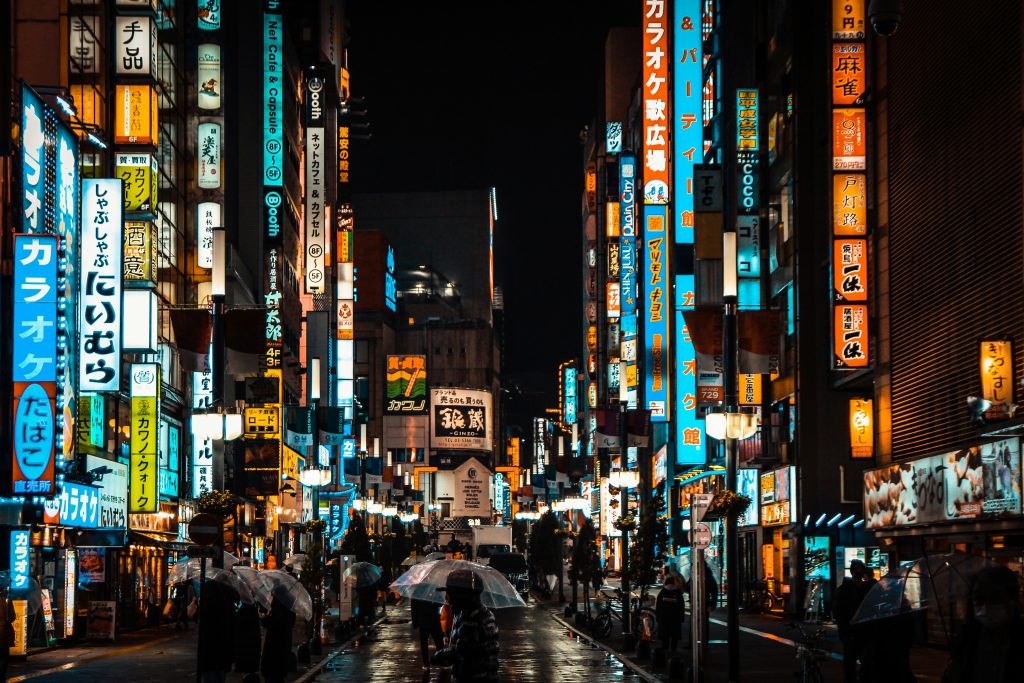
LiveGRACE Hotel Shibuya is in Honmachi, Shibuya-ku, near Hatsudai and Hatagaya stations; Hatsudai is one train stop from Shinjuku. The hotel’s Hatsudai–Hatagaya neighborhood is a different area from the shopping district around Shibuya Station. This guide to things to do near Hatsudai and Nishi-Shinjuku covers 16 places for daily shopping, culture, parks and outings, grouped into daily essentials, sightseeing and shopping. Explore Tokyo Opera City, the New National Theatre Tokyo and Hatagaya’s local streets, then plan outings to Shinjuku, Shibuya Station, Harajuku or Shimokitazawa. Each listing includes a map link. Distances vary, so choose walking or public transport to suit your route and check official exhibition, performance, opening and admission details before visiting.
Daily Essentials
My Basket Hatsudai Station West Store
A convenient neighborhood supermarket offering fresh produce, prepared foods, and daily necessities at reasonable prices. Its accessible location makes it a great option for both local residents and travelers.
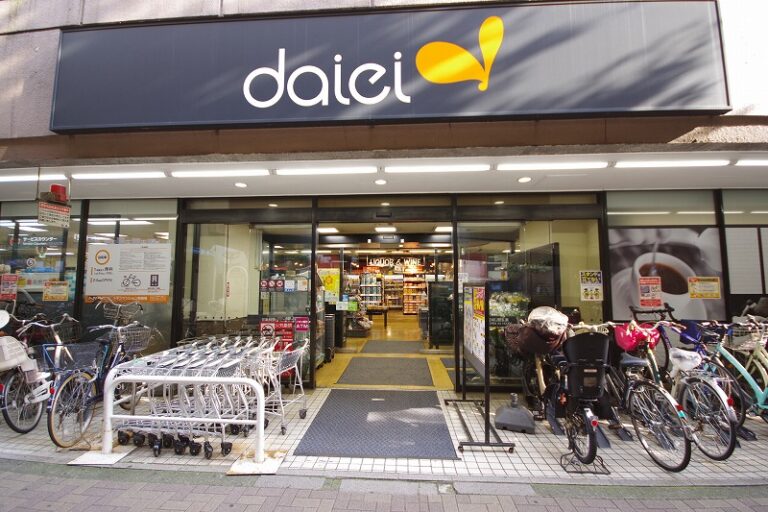
Daiei Hatagaya Store
A large supermarket chain offering a wide variety of groceries, snacks, fresh foods, and household items. With convenient opening hours, it is ideal for daily shopping and travel essentials.
Matsumoto Kiyoshi Hatagaya Station Front Store
A famous Japanese drugstore chain offering medicines, cosmetics, skincare products, health supplements, and daily necessities. It is especially popular among travelers looking to purchase Japanese beauty products and souvenirs.
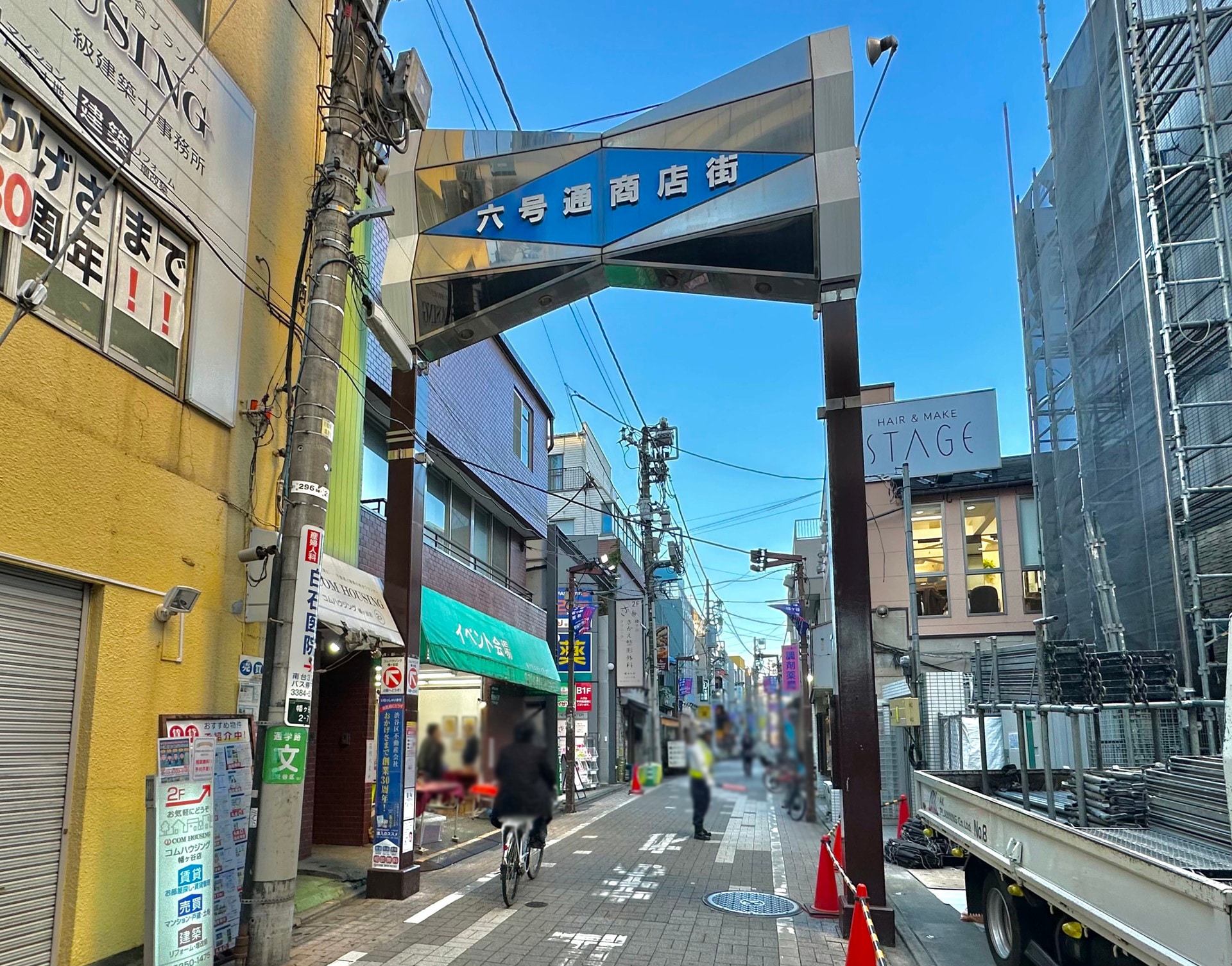
Rokugo-dori Shopping Street
Located near Hatagaya Station, this nostalgic shopping street preserves the atmosphere of Japan’s Showa era. Small restaurants, local shops, and izakayas line the streets, while lanterns illuminate the area at night, creating a warm and lively atmosphere perfect for experiencing local Tokyo life.
Sightseeing
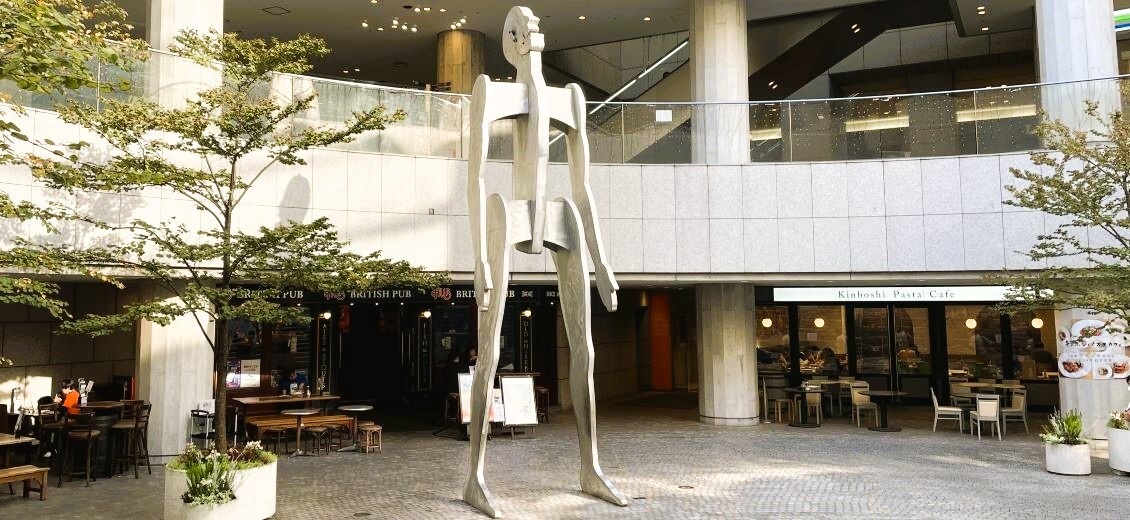
Tokyo Opera City
Located next to Hatsudai Station, Tokyo Opera City is a large complex featuring office towers, shopping areas, restaurants, art galleries, and concert halls. Its most famous facility, the Tokyo Opera City Concert Hall, is renowned for its outstanding acoustics. Combining art, culture, dining, and leisure, it is a popular destination for both locals and visitors.
New National Theatre Tokyo
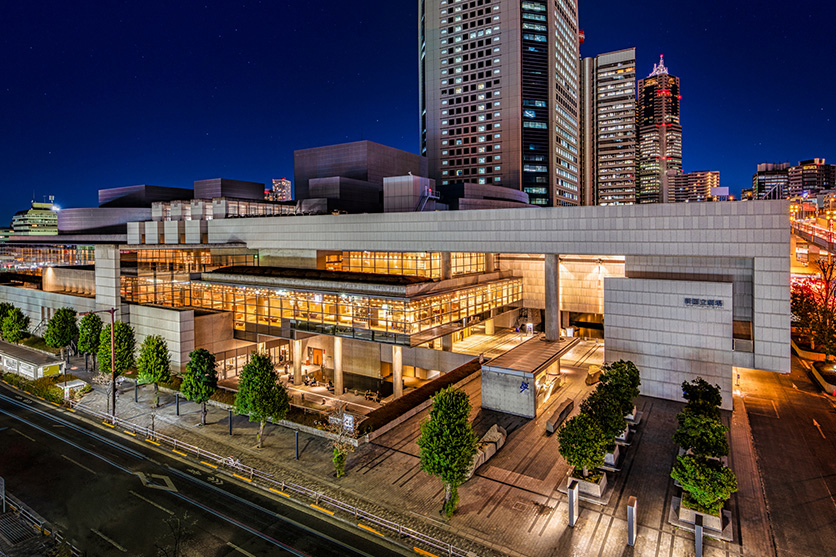
Located in Hatsudai, the New National Theatre Tokyo is one of Japan’s premier performing arts venues. It features dedicated theaters for opera, ballet, contemporary dance, and drama performances. With its elegant modern architecture and advanced stage technology, the venue hosts world-class productions throughout the year. Visitors can also enjoy art exhibitions and dining spaces within the complex.
Tokyo Metropolitan Government Building Observation Deck
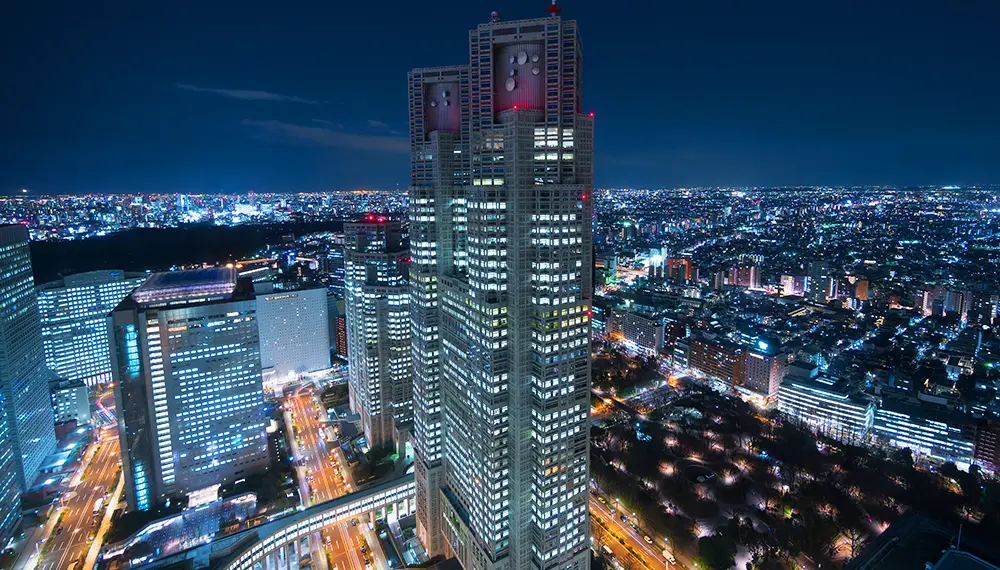
The Tokyo Metropolitan Government Building observatories are on the 45th floor of Main Building No. 1, approximately 202 meters above ground, with free admission. They are an option for a Nishi-Shinjuku outing. Opening dates and hours may differ between the north and south observatories, so check the official visitor information before setting out.
Yoyogi Park
One of the largest green spaces in central Tokyo, Yoyogi Park is a wonderful place for walking, relaxing, and picnicking throughout the year. Spring is especially popular when more than 600 cherry trees bloom beautifully, attracting countless locals and visitors for hanami picnics. The autumn foliage is also stunning. The park frequently hosts flea markets, music events, and cultural festivals, making it a great place to experience both nature and the lively atmosphere of Tokyo.

Shinjuku Gyoen National Garden
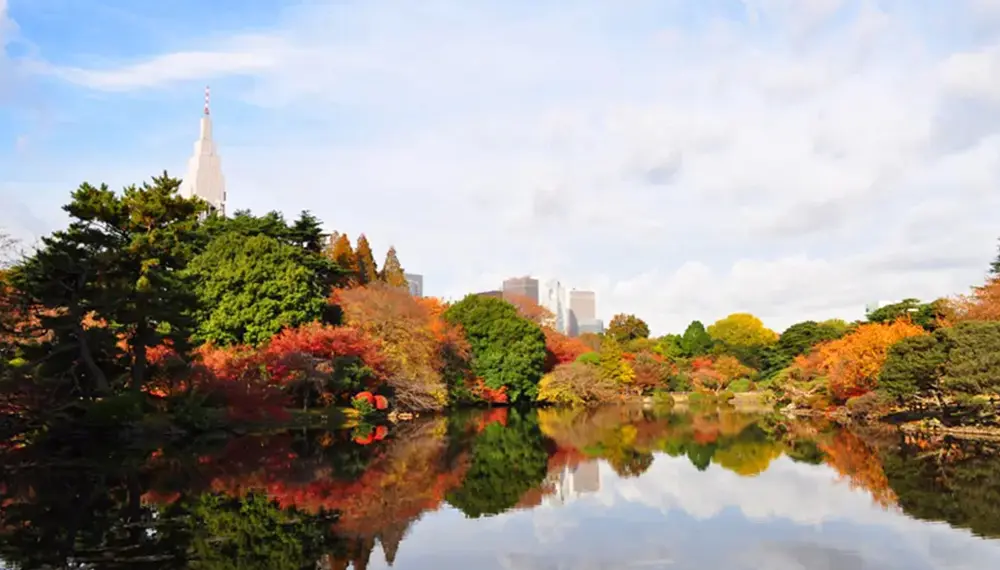
Shinjuku Gyoen is one of the few large gardens located in the heart of Tokyo, combining traditional Japanese gardens, French formal gardens, and English landscape styles. With its lush greenery and peaceful atmosphere, it is an ideal place for walking and relaxing. The garden is especially famous for its cherry blossoms in spring and colorful autumn leaves, making it a beautiful destination in every season.
Meiji Shrine
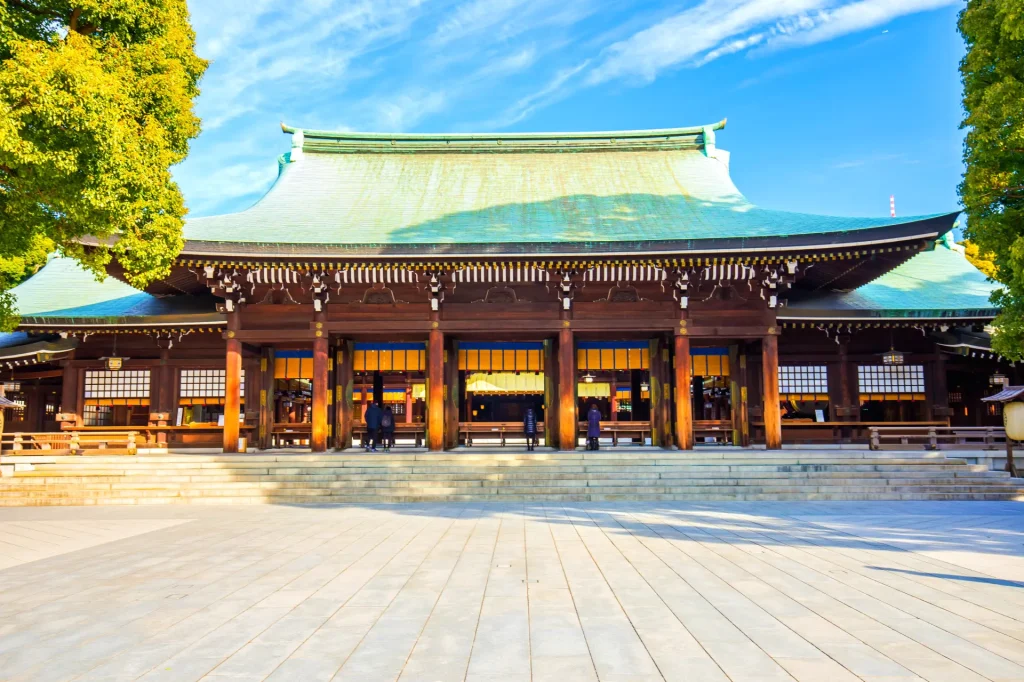
Located in the heart of Tokyo, Meiji Shrine is surrounded by lush forest-like nature and offers a peaceful atmosphere to experience traditional Japanese culture. It is a popular spot for walking and sightseeing, especially beautiful during spring and autumn.
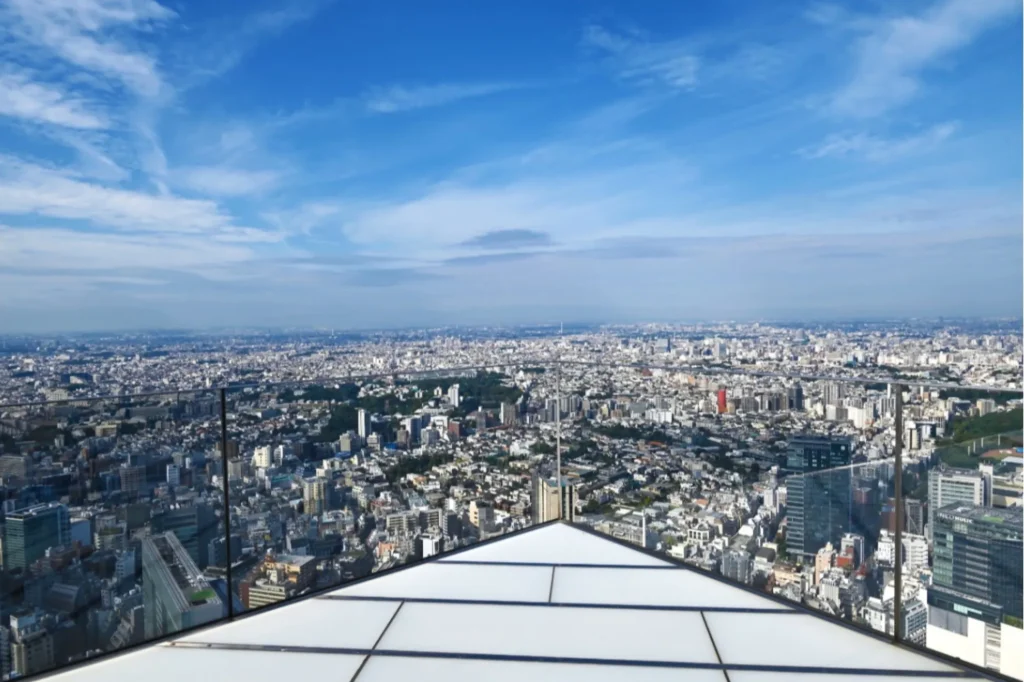
SHIBUYA SKY
SHIBUYA SKY is an observation facility at Shibuya Scramble Square beside Shibuya Station, offering views across Tokyo. It is in the Shibuya Station district, so plan transport from the hotel’s Hatsudai–Hatagaya neighborhood. Check official tickets and entry times before visiting. The rooftop may close without notice due to strong winds, rain or other weather conditions.
Shopping
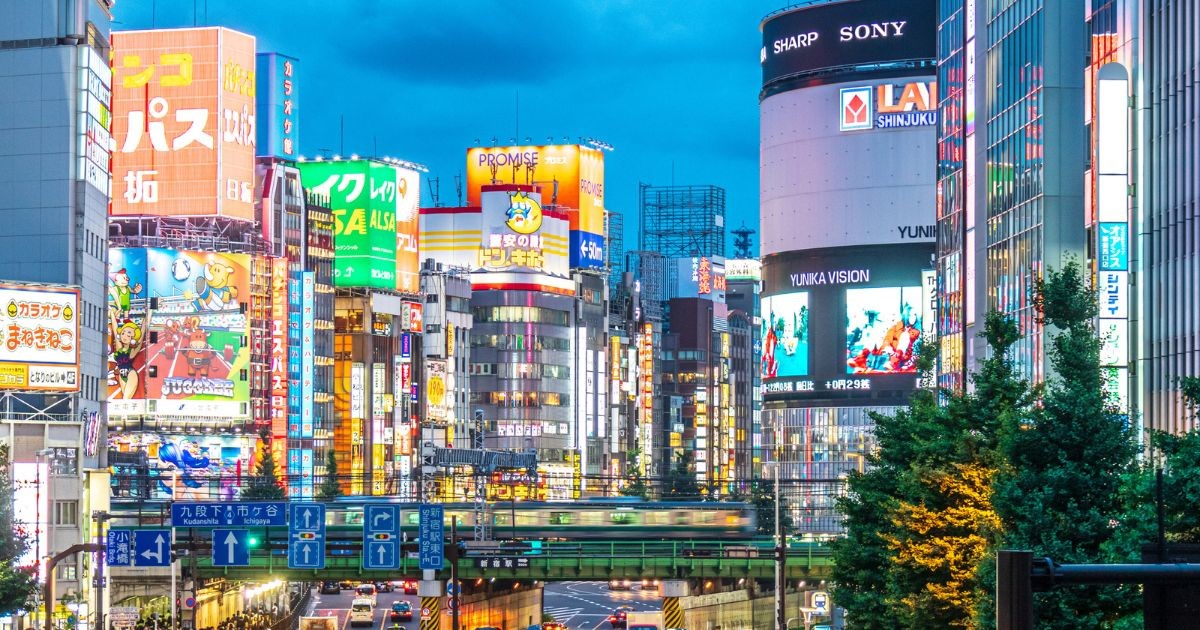
Shinjuku District
Shinjuku is one of Tokyo’s busiest commercial and entertainment districts, filled with department stores, restaurants, bars, cinemas, and electronics shops. Kabukicho is especially famous for its nightlife. Whether for shopping, dining, or entertainment, Shinjuku represents the vibrant energy of Tokyo.
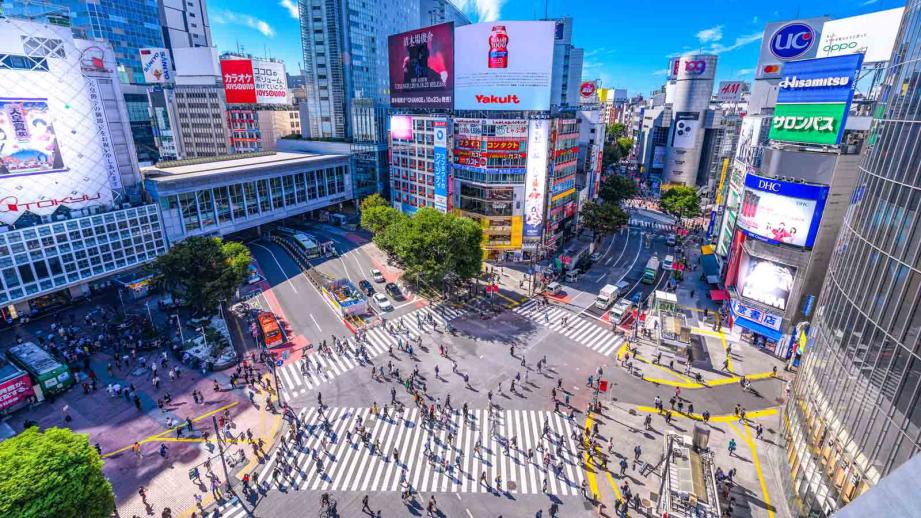
Shibuya District
Famous for the iconic Shibuya Crossing, Shibuya is considered the center of Tokyo’s youth culture. Trendy shopping complexes, restaurants, entertainment facilities, and observation decks fill the district with energy and excitement. The Hachiko Statue is also a popular landmark for visitors.
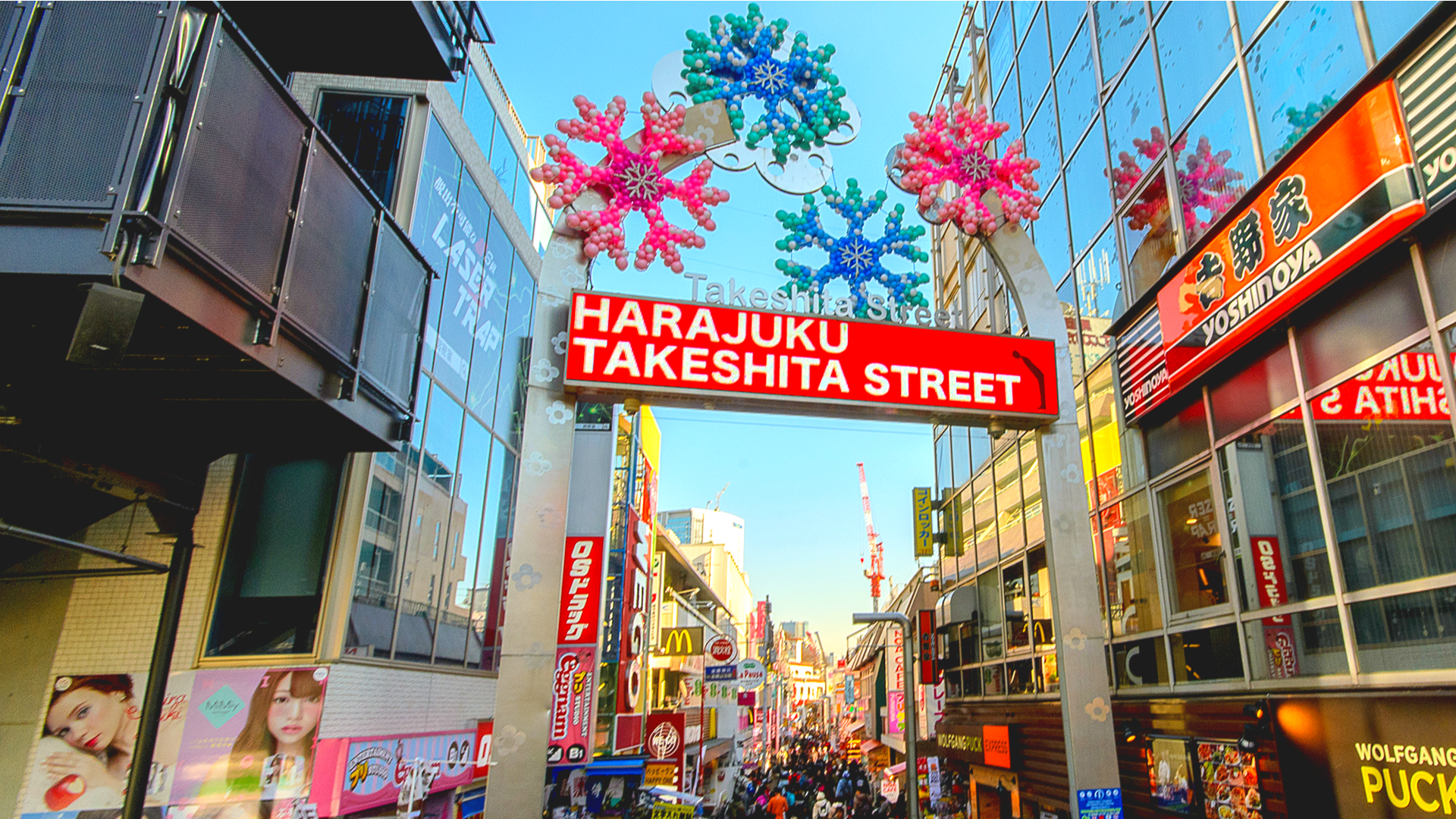
Harajuku District
Harajuku is a symbol of Tokyo’s youth culture and fashion trends. Takeshita Street is packed with trendy fashion shops, dessert cafés, and souvenir stores, while the backstreets of Ura-Harajuku are known for independent designer boutiques and vintage shops. The peaceful atmosphere of Meiji Shrine nearby creates a unique contrast with the lively shopping streets.
Omotesando & Aoyama
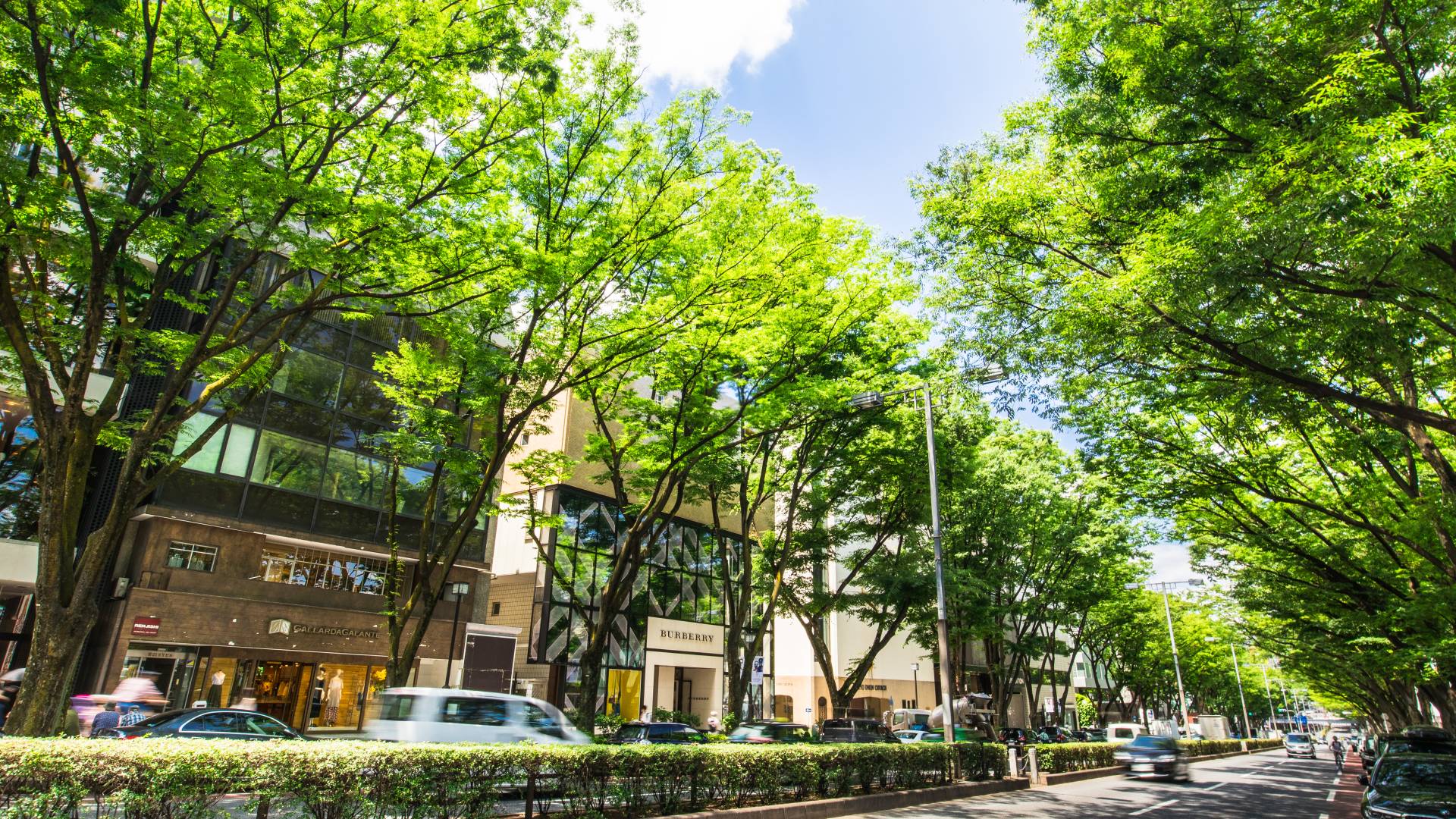
Aoyama and Omotesando are lined with luxury flagship boutiques and stylish designer brands, earning the area the nickname “Tokyo’s Champs-Élysées.” The district is also home to museums, fashionable cafés, and unique concept stores, making it a paradise for fashion and art lovers.
Shimokitazawa
Shimokitazawa is one of Tokyo’s most creative and trendy neighborhoods, famous for its vintage clothing shops, independent cafés, small theaters, and live music venues. The area is filled with a unique retro atmosphere, making it a great place to explore, shop, and enjoy Tokyo’s local culture.

.jpg)
.jpg)